
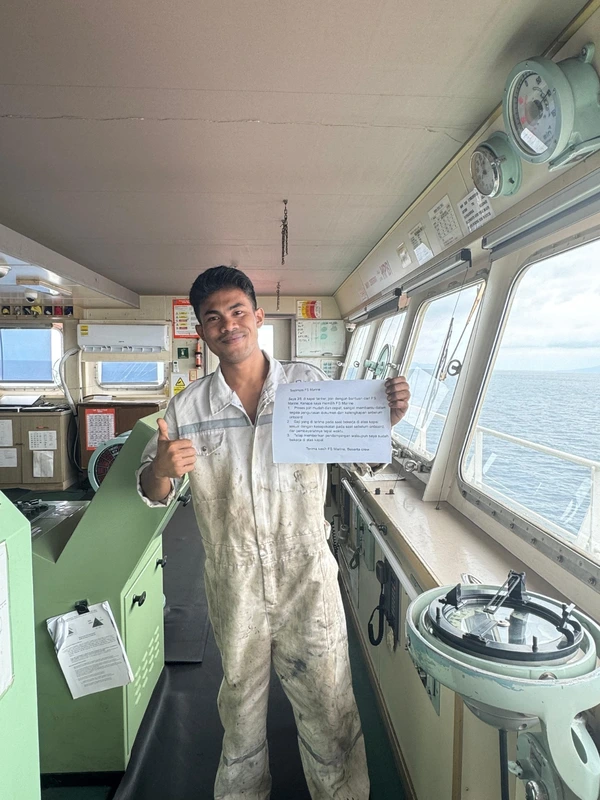
Working on an international ship offers high salaries and the opportunity to sail to various countries. However, to join the global shipping industry, every seafarer must obtain work certifications that comply with international standards. These certifications serve as proof that a seafarer meets the required qualifications and is ready to work on foreign-flagged vessels.
In addition to certifications, seafarers must also complete all necessary maritime documents to be eligible for employment on international ships. So, what are the requirements for working on international ships, and what certifications are needed? Let’s dive into the details!
Regulations and International Certification Standards
In the maritime industry, there are global standards governing crew qualifications and training, known as the Standards of Training, Certification, and Watchkeeping (STCW) established by the International Maritime Organization (IMO). STCW regulates:
- Competency requirements for seafarers based on their positions
- Mandatory certifications before working on a ship
- Training procedures and examinations to obtain certificates
Without STCW-compliant certification, a seafarer cannot work on foreign-flagged vessels. Therefore, ensuring that your maritime certifications meet international standards is a crucial step in preparing for a career in the maritime industry.
Mandatory Certifications for International Ship Crew
At least seven mandatory certifications are required to work as a crew member on an international ship:
1. Basic Safety Training (BST)
BST is a fundamental certification required for all ship crew members. This training includes:
- Survival techniques at sea during emergencies
- Firefighting on board
- Basic first aid on a ship
BST is the most essential requirement for working on an international ship. Without this certification, a seafarer cannot board a vessel, whether it is a merchant ship, tanker, or cruise ship.
2. Crowd Management & Crisis Management Certificate
This certification is mandatory for crew members working on passenger ships and cruise ships. The training focuses on:
- Managing emergency situations on ships with large numbers of passengers
- Learning safe and efficient evacuation procedures
- Enhancing communication skills during crises
3. Proficiency in Survival Craft and Rescue Boats (PSCRB)
PSCRB is required for crew members responsible for lifeboats. The training includes:
- Operating and maintaining survival craft
- Rescue and evacuation procedures for passengers in emergencies
4. Advanced Fire Fighting (AFF)
The AFF certification is for seafarers responsible for firefighting on board. The training covers:
- Fire suppression techniques using specialized equipment
- Strategies for handling extreme fire situations
- Evacuation and rescue procedures for fire victims
5. Medical First Aid & Medical Care
Seafarers working far from shore must have first aid skills. The Medical First Aid & Medical Care certification is essential for crew members responsible for onboard health services. The training includes:
- First aid techniques for minor and major injuries
- Handling medical emergencies before receiving shore-based medical assistance
- Understanding the use of medical equipment on board
6. Radar Observer & Electronic Chart Display Information System (ECDIS)
This certification is required for navigation officers such as Chief Officers and Captains. The training helps crew members:
- Operate radar and electronic navigation systems on a ship
- Analyze sea conditions and detect navigational hazards
- Enhance maritime safety using modern technology
7. Certificate of Competency (COC) & Certificate of Proficiency (COP)
COC and COP are essential documents that demonstrate a seafarer’s competency based on their rank. Some common levels of COC include:
- COC for Captains (Master Mariner)
- COC for Chief Officers
- COC for Chief Engineers
Meanwhile, COP is granted to seafarers with specialized skills, such as engine operations, ship safety maintenance, and cargo management.
How to Obtain Certification for Working on International Ships
To obtain maritime work certifications, seafarers must undergo training and pass examinations at recognized maritime institutions. Here are the steps:
- Choose an accredited maritime training institution
- Ensure the training center is accredited by national and international maritime authorities.
- Complete the required training and certification exams
- Each certification has a different training duration, depending on its complexity.
- Prepare all necessary maritime documents
- Besides certifications, seafarers must have a seafarer’s passport, seaman’s book, and other identification documents.
- Regularly renew certifications
- Some certifications have an expiration date and must be renewed periodically to remain valid.
Conclusion
Working on an international ship requires complete maritime documents and STCW-compliant work certifications. Without valid certifications, a seafarer cannot work on foreign-flagged vessels. Therefore, obtaining the necessary certifications is crucial for securing better career opportunities in the maritime industry.
Looking to build a successful maritime career?
Fitrisyam Marine Indonesia is ready to assist you in securing a job on an international ship by ensuring your certifications and maritime documents meet global standards.
Don’t miss this golden opportunity! Contact us now and start your journey toward an international maritime career!
Join Fitrisyam Marine Indonesia – “Bring You to The World.”